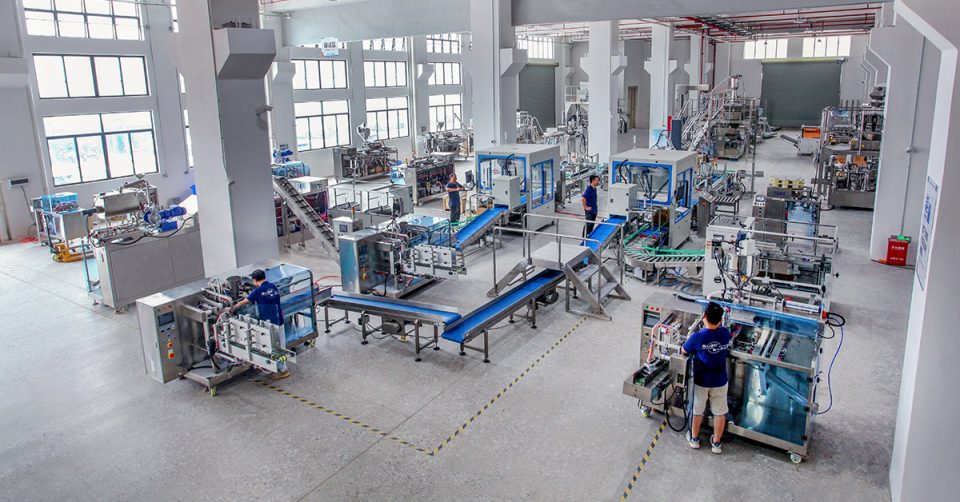
What Is an End-of-Line Packaging System?
In today’s highly competitive manufacturing environment, efficiency and consistency have become more important than ever. While product quality remains a top priority, the final stages of production are equally critical because they directly influence packaging appearance, logistics efficiency and overall operating costs. This is why more manufacturers are investing in complete end-of-line packaging systems to streamline their packaging operations and improve productivity.
Rather than relying on individual machines operating independently, an integrated end-of-line solution allows different processes to work together seamlessly. From product conveying and wrapping to carton packing and palletizing, the entire packaging process can be automated to achieve higher efficiency, better packaging quality and lower labor requirements.
As industries continue to move toward intelligent manufacturing and greater automation, end-of-line packaging systems have become an essential part of modern production facilities.
Understanding an End-of-Line Packaging System
An end-of-line packaging system refers to a series of interconnected machines that automate the final packaging processes after products have been manufactured. These systems are designed to handle operations such as conveying, labeling, wrapping, case packing and palletizing before products are prepared for storage or shipment.
Unlike standalone equipment, a complete packaging system enables products to move continuously through each stage without unnecessary interruptions. This integrated approach helps manufacturers maintain stable production while improving packaging consistency and reducing manual intervention.
Because every production environment has different requirements, end-of-line systems can be customized according to product type, package size and output capacity, making them suitable for a wide range of industries.
Why Are End-of-Line Packaging Systems Important?
In the past, many manufacturers relied heavily on manual labor to complete final packaging operations. While this approach worked for small production volumes, it often resulted in inconsistent quality, higher labor costs and limited production efficiency.
Today, growing demand and increasing labor expenses have encouraged companies to adopt automated solutions. By integrating multiple packaging processes into one continuous workflow, businesses can achieve significant improvements in productivity while maintaining a consistent level of quality.
In addition to increasing output, automated systems help reduce human error and minimize product damage during handling. This allows manufacturers to deliver more reliable products to customers while improving overall operational efficiency.
Main Components of an End-of-Line Packaging System
Although system configurations vary depending on production requirements, most modern packaging lines include several key components that work together to create a smooth and efficient process.
Conveyor Systems
The process usually begins with conveyor systems, which transport products from the manufacturing area to the packaging section. Conveyors ensure a continuous flow of products and help synchronize different machines within the line.
By maintaining stable product movement, conveyors improve efficiency and reduce the risk of bottlenecks during production.
Labeling Machines
Labeling machines apply product information, barcodes and branding labels accurately and consistently. Proper labeling is essential for traceability, regulatory compliance and product presentation.
Modern labeling systems are capable of handling different container shapes and packaging formats while maintaining high accuracy even at high production speeds.
Shrink Wrapping Machines
Shrink wrapping machines are widely used for bundling bottles, cans, cartons and various consumer products. After products are grouped together, shrink film is applied and heated to create secure and attractive packaging.
Shrink packaging provides excellent protection during transportation while giving products a clean and professional appearance. It is particularly popular in food, beverage and daily chemical industries.
Overwrapping Machines
For products that require premium presentation, overwrapping machines offer an ideal solution. These machines provide neat folds and transparent film packaging that enhance product appearance and increase perceived value.
Overwrapping is commonly used in cosmetics, pharmaceuticals and high-end consumer products.
Case Packing Machines
Once products have been wrapped or labeled, they are transferred to case packing machines, where they are automatically loaded into cartons or cases.
Compared with manual packing, automated case packers improve efficiency, reduce labor costs and ensure consistent package arrangements. They are especially beneficial for manufacturers operating high-speed production lines.
Palletizers
At the final stage of production, palletizers automatically stack finished cartons onto pallets according to predefined patterns.
Automated palletizing improves workplace safety and eliminates repetitive manual handling tasks. In addition, it helps optimize warehouse storage and transportation efficiency.
How Does an End-of-Line Packaging System Work?
Although every production line is different, the general process follows a similar sequence:
Product Output
↓
Conveyor Transportation
↓
Labeling
↓
Film Wrapping
↓
Case Packing
↓
Palletizing
↓
Finished Product Storage and Shipment
Because all equipment operates in a coordinated manner, products can move continuously through the system with minimal human intervention. This not only increases efficiency but also ensures that packaging quality remains consistent throughout the production cycle.
Advantages of Using an End-of-Line Packaging System
One of the biggest advantages of an integrated packaging system is its ability to improve productivity. By automating multiple processes, manufacturers can achieve higher output while reducing dependence on manual labor.
Another important benefit is packaging consistency. Since machines perform repetitive tasks with high precision, variations caused by human error are greatly minimized. This results in better package appearance and improved product protection.
Automated systems also contribute to lower operating costs. Although the initial investment may be higher, reduced labor expenses, improved efficiency and lower product damage often provide substantial long-term savings.
Furthermore, modern systems offer excellent flexibility. Manufacturers can customize line configurations according to different products and production capacities, allowing them to adapt quickly to changing market demands.
Industries That Use End-of-Line Packaging Systems
Because of their efficiency and versatility, end-of-line packaging systems are widely used in various industries.
These include:
● Food and beverage
● Pharmaceuticals
● Daily chemical products
● Cosmetics and personal care
● Household products
● Electronics
● Building materials
● Industrial products
Whether packaging bottled water, canned beverages, cartons or consumer goods, automated systems help manufacturers achieve reliable and efficient packaging operations.
Future Trends in End-of-Line Packaging
As Industry 4.0 technologies continue to develop, packaging systems are becoming increasingly intelligent. Advanced machines are now equipped with touch-screen interfaces, servo control systems and real-time monitoring capabilities that help optimize production performance.
Artificial intelligence, data analysis and predictive maintenance technologies are also beginning to transform the packaging industry. These innovations allow manufacturers to improve machine utilization, reduce downtime and make more informed production decisions.
In the coming years, greater automation and digital integration are expected to further enhance the efficiency and flexibility of packaging operations.
A modern end-of-line packaging system is much more than a collection of machines. It is a fully integrated solution designed to automate the final stages of production, improve packaging quality and maximize efficiency.
By combining conveyors, labeling machines, shrink wrapping machines, case packers and palletizers into one coordinated workflow, manufacturers can reduce labor costs, increase output and achieve more consistent packaging results.
As production demands continue to evolve, investing in a reliable and scalable end-of-line packaging solution has become an important step toward sustainable growth and long-term competitiveness.
Frequently Asked Questions
GET A FREE QUOTE
Looking for the Right Packaging Solution?
Whether you need a standalone machine or a complete packaging line, our experienced team is ready to provide customized solutions tailored to your production requirements.
✔ Customized Solutions
✔ Professional Technical Support
✔ Fast Response
✔ Competitive Factory Price
Send Your Inquiry →